
A planning resource for brand and sourcing teams. Engineering recommendations are not a statement of a particular project's specification, inspection standard, price, MOQ or delivery commitment.
1. Compare suppliers against the same kit brief
A user-assembled plastic model kit is different from a finished figurine. Ask suppliers to describe the delivery format: complete runner sets, loose components, decorated parts or a boxed retail kit. State whether assembly uses glue, snap connections or a combination. Without this baseline, two attractive quotations may cover different products.
Use the same revision of the artwork, available 3D data, quantity assumptions, finish and packing requirements for each inquiry. Label unresolved questions explicitly. An early feasibility response is useful, but it should not be mistaken for a production-ready commitment based on approved engineering.
2. Ask for relevant evidence, not a larger logo list
Look for the connection between a finished model and its production evidence. Runner views can show part breakdown and gate positions; mold and component images provide different information. Ask the supplier to explain what it actually supplied for a comparable project. A gallery demonstrates the pictured work, not the performance of every future design.
Respect confidentiality. A supplier may be unable to name every customer, and a lack of public logos does not by itself establish a capability gap. Ask what authorized evidence can be shared, or discuss a scoped review using your own non-confidential sample requirements. ITTAK's KAIYODO / ARTPLA galleries are published with authorization; undisclosed client work should not become a marketing claim.
3. Use a procurement scorecard with observable outputs
Record the evidence and remaining questions beside each response. Mark an item unresolved when supporting information is missing. Agree which items must be closed before a tooling order and which can be resolved during an approved trial stage.
| Area | Ask to see or define | Unresolved risk |
|---|---|---|
| Engineering | Part split, assembly sequence and open DFM questions | A finished render is treated as mold-ready data. |
| Tooling | Tooling scope, trial stages and revision approval | Responsibility for design changes is unclear. |
| Production | Which steps are in-house and which are coordinated externally | No owner for a handoff or output. |
| Quality | Part-level checks and a complete sample build | Acceptance is only described as high quality. |
| Commercial | A quotation with assumptions and exclusions | Unit prices cover different deliverables. |
| Confidentiality | Agreed sharing, access and publication arrangements | Unreleased files are requested before handling terms are set. |
4. Evaluate the sample as a builder would
A polished display model may hide assembly problems. Request a representative runner set and build it using the intended instructions and tools. Record incomplete details, gate-removal damage, mismatched halves, difficult connections and missing components. Keep photographs linked to part numbers so a revision addresses the cause instead of only changing the presentation sample.
Define the acceptance method before production: approved sample revision, critical dimensions, cosmetic examples, assembly checks and packing completeness. If a supplier presents a management-system certificate, verify the issuing body, scope and validity. ISO guidance distinguishes quality-management certification from product certification; neither a logo nor a certificate replaces your kit's acceptance criteria. This guide does not claim an ITTAK certification.
5. Separate unit price from tooling and change costs
Ask the quotation to distinguish development, molds, molded components, decoration and packaging, and identify what is excluded. Confirm how quantities and variants affect the assumptions. A low molding price is not necessarily a lower total project cost if another offer includes additional assembly or packaging work.
Agree tooling ownership and access, storage and maintenance responsibility, design-change approval, and what happens when production ends or transfers. These are discussion points to document in the commercial agreement, not universal contract terms. MOQ and lead time should follow the reviewed design, manufacturing scope and approval plan rather than a generic website number.
6. Make the first conversation useful without exposing IP
Begin with the product category, approximate size, development stage, expected quantity range and target sales markets. Ask whether an NDA and a suitable file-transfer method can be arranged before providing unreleased designs. Identify which materials may be shared with subcontractors and which images, if any, may later be published.
ITTAK is based in Dongguan and accepts projects from customers worldwide. Its HIPS, ABS and PVC component production is in-house; other requested activities should be confirmed in the project scope. The next useful step is a manufacturing review against your brief, not a promise of fit, price or delivery before the requirements are known.
Related project evidence
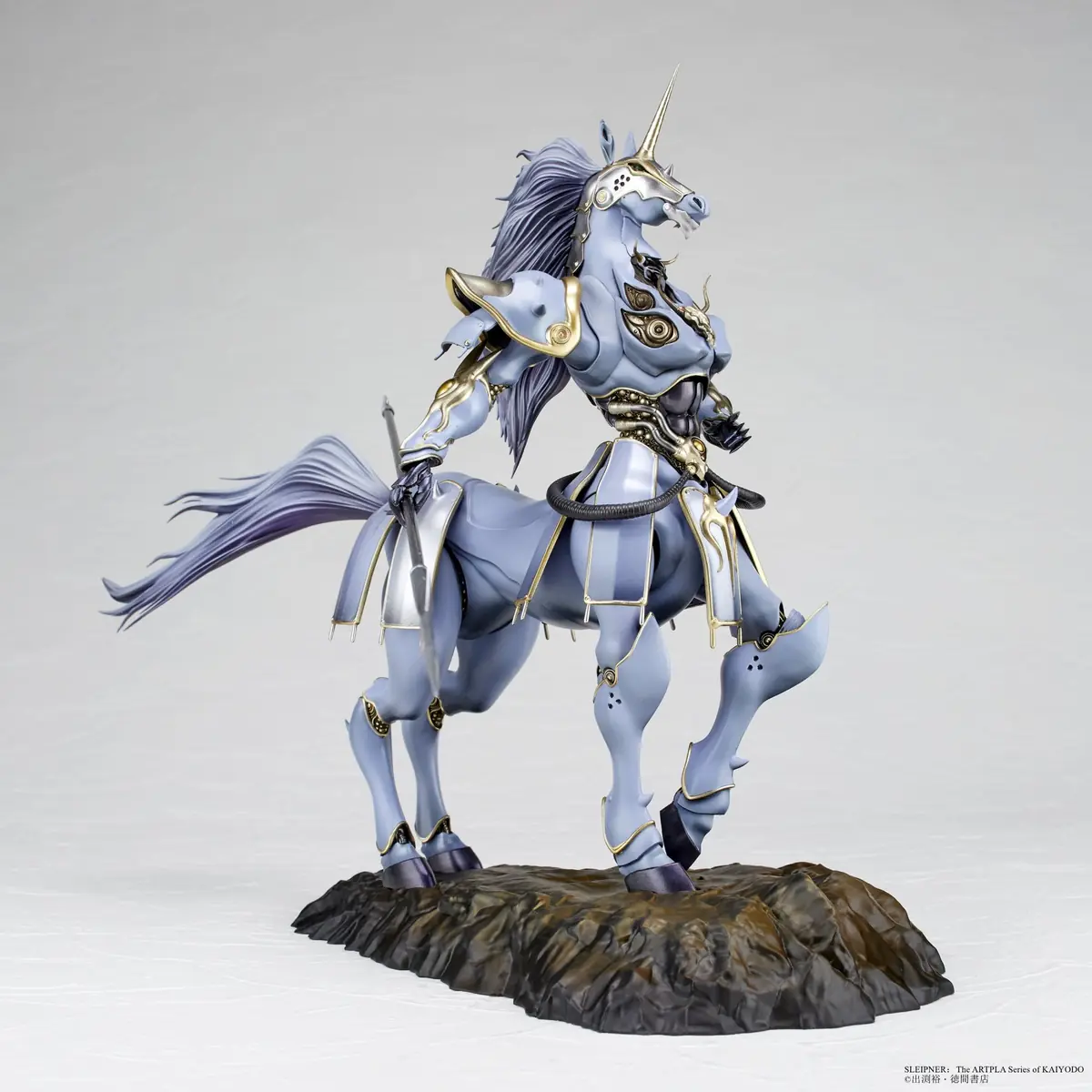
KAIYODO / ARTPLA names and images are shown with permission. The gallery illustrates the disclosed project; it is not a guarantee of specifications or test results for a new product.
Common buyer questions
What should I send to a model kit manufacturer first?
Send a non-confidential overview with the model category, size, assembly intent, available design information, quantity range and target markets. Mark unknown requirements. Arrange confidentiality and file handling before sending sensitive assets.
Should I select the supplier with the lowest unit price?
Only compare prices after aligning scope, tooling, materials, decoration, packing and acceptance requirements. Review exclusions and change costs as well as the unit price; otherwise the quotations may not represent the same deliverable.
Does a project gallery prove a new kit will meet my requirements?
No. Relevant galleries support a capability discussion, while your design still needs engineering review, agreed acceptance criteria and sample validation. Ask how the pictured work relates to the components and production activities in your own project.
References and further reading
- ISO / IAF: expected outcomes of accredited ISO 9001 certification
Explains the distinction between quality-management-system certification and product certification; no supplier certification is asserted here.
- ITTAK: authorized KAIYODO / ARTPLA project galleries
First-party project evidence. Examine the individual galleries for the finished models, runners and tooling actually shown.
- ITTAK: manufacturing capabilities
First-party description of manufacturing activities. A specific quotation still needs agreed inclusions and acceptance criteria.
Plan your next step
- Quality and factory information
- Model kit manufacturing cost
- Model kit quality control
- Request a manufacturing review
Start with a non-confidential overview. Ask about an NDA and an appropriate transfer method before sending unreleased designs.
Request a Project Review